Should You Repair or Replace Your Appliance in Fort Wayne?
A Fort Wayne technician's honest math on when a fix is worth it, when to let an appliance go, and how to buy a good used one.
In Fort Wayne, the decision comes down to two numbers: what the repair costs, and how old the appliance already is. Fix it when the quote lands under about half the price of a comparable new unit and the machine still has years left in it. Replace it when both numbers turn against you, meaning the repair passes half the cost of new and the appliance is already at or past the age these things usually reach.
The Rules Pros Use to Decide
The quick test. Repair when the quote comes in under half the price of a comparable new unit. Replace when the repair passes half the cost of new AND the appliance is past half its expected life.
When only one of those is true, a repair usually still wins.
Most techs carry a few rules of thumb in their head. The first is the 50% rule. Add up the repair quote, and if it runs half or more of what a comparable new unit costs, you replace. Under half, you fix it. Most of the common repairs we run land between $125 and $400. A $180 fix on a $900 washer is an easy yes. Bump that to $500 on the same washer and the answer flips.
The second rule is about age. Every appliance has an expected lifespan, and once a unit nears the end of it, more parts line up to fail. Refrigerators run about 13 years. Dishwashers are shorter than people think, around 9 to 10. Microwaves are shorter still, close to 9. Gas ranges are the marathon runners at roughly 15 years, and a chest freezer can reach 18. Set your machine's age against those numbers. A five-year-old fridge has plenty of road left. One that is twelve is on borrowed time.
The test most of us actually use puts those two together. Replace when both numbers cross 50%: the repair costs half of new, and the appliance has already burned through more than half its expected life. If only one crosses the line, repair usually still wins. Picture a 10-year-old fridge that needs a $350 part. It sits well past half its life, but $350 against a $1,200 replacement is under a third of new, so you fix it and move on.
A few other checks settle the close calls.
- Divide the repair quote by the years of life left in the machine. A $150 fix on a fridge with six years to go is $25 a year, which is cheap. The same $150 on one with a year left is $150 a year, which is not.
- Watch for repeat calls. Two or three breakdowns on the same unit inside a year means the next one is already on its way, and that tips you toward replacing.
- Cheap, common parts almost always earn a repair. A dryer belt, an oven igniter, a washer drain pump: these are the $125-$400 fixes that buy real years.
- Big-ticket failures do not. A sealed system or compressor on an old fridge, or a worn transmission in an old washer, runs high, and a second failure tends to follow close behind.
The Energy Angle on Old Fridges and Freezers
One more number matters, and only for the cold appliances, because they run around the clock. A refrigerator or freezer past about 15 years old can cost roughly $95 a year more to run than a new one, since the old unit pulls around 20% more power. The real dinosaurs from the 1990s run closer to $230 a year against about $60 for a modern equivalent. If you keep an old fridge for drinks out in the garage, that gap is money you spend every month, and our winters make a struggling garage unit work harder to hold temperature. A repair can pass the 50% test on its own and still be the wrong move once you fold in the yearly running cost. This only applies to fridges and freezers. Dryers, ovens, and dishwashers cost about the same old or new.
These are guidelines, not laws. The lifespan figures are averages across thousands of units, so yours can outlast them or die early depending on how hard it works, our moderately hard water, and how well it was kept up. For a straight answer on one specific machine, our diagnostic runs about $125, tells you exactly what failed and what the repair costs, and we credit that $125 toward the work if you approve it. Call (260) 408-8218, Mon-Sat 7am to 7pm.
Repair Cost vs. Replacement Cost
Two numbers settle most of these calls: what the repair costs, and what a comparable new unit costs installed. Most of our repairs land between $125 and $400, parts and labor included, and that figure already folds in the $125 diagnostic, which we credit toward the job once you approve it. Set that against the replacement column below. The old technician's rule holds up: when a fix runs half or more of a new machine, replacement starts to make sense, and it makes more sense the older the appliance is.
| Appliance | Typical repair | Comparable new (installed) | Repair usually wins if... |
|---|---|---|---|
| Refrigerator | $125-$400 (thermostat, relay, door gasket) | $1,000-$2,500 mid-range; basic top-freezer from ~$500 | It's under ~10 years old and the quote comes in under half a new unit. A compressor or sealed-system failure past 12 years leans replace. |
| Washer | $125-$400 (drain pump, seals, shocks) | $500-$1,300; top-load lower, front-load higher | The failure is a pump, seal, or shock, not the transmission or a cracked drum. Major failures on a 10-plus-year machine lean replace. |
| Dryer | $125-$400 (heating element, belt, thermostat) | $500-$1,100 electric; gas adds $50-$150 | It spins but won't heat, or it squeals: those are cheap parts. A motor or drum failure past ~13 years is a replace. |
| Dishwasher | $125-$400 (pump, valve, latch) | $900-$1,400 installed; builder-grade from ~$400 | The unit is under ~8 years old. Dishwashers only last about 9-10 years, so a big repair on an older one rarely pays. |
| Oven / range | $125-$400 (igniter, element, valve) | $900-$1,600; basic from ~$500, pro-style far more | Almost always. Ranges run ~15 years and the common fixes sit well under the price of a new one. |
| Freezer | $125-$400 (thermostat, gasket, defrost part) | $450-$900 chest or upright; compact from ~$150 | Nearly always for a chest freezer: simple build, ~18-year life, cheap parts. An old upright with a dead compressor is the exception. |
The new prices above assume a mid-range model, the kind most Fort Wayne kitchens and laundry rooms actually get. Two things move the line. Built-in and high-end units flip the math, because delivery and install run into the thousands, so a larger repair still beats replacing them. Age moves it the other way: the same $350 fix is smart money on a six-year-old washer and a coin toss on a fourteen-year-old one. For the honest number on your exact unit, call (260) 408-8218 and we'll walk you through it before you decide.
Built-in and high-end prices above exclude cabinetry and gas-line work, which can add several hundred dollars to a replacement.
Not sure which way your appliance leans?
Call (260) 408-8218How Long Appliances Actually Last
These are real-world averages, not promises. They come from national data on how long appliances actually run in homes, not the warranty printed on the box. A couple of them surprise people. Microwaves die first, around nine years, and dishwashers are close behind at nine to ten. On the other end, gas ranges and chest freezers are the marathon runners. A gas range often clears 15 years, and a chest freezer can run close to 20. One pattern holds across the board: the more electronics and moving parts a unit has, the shorter it tends to run. A French-door fridge with a screen and an ice maker fails sooner than a plain top-freezer. Feature-heavy front-loaders trail basic top-loaders. When you read the ranges below, count on the low end for anything loaded with features.
| Appliance | Typical lifespan | Plan to replace around |
|---|---|---|
| Refrigerator | 10-17 years | Around year 13 |
| Upright freezer | 10-15 years | Around year 12 |
| Chest freezer | 15-20 years | Around year 18 |
| Top-load washer | 8-14 years | Years 10-11 |
| Front-load washer | 7-13 years | Around year 10 |
| Electric dryer | 13-15 years | Around year 13 |
| Gas dryer | 11-14 years | Around year 13 |
| Dishwasher | 9-11 years | Years 9-10 |
| Gas range / oven | 13-17 years | Around year 15 |
| Electric range / oven | 13-15 years | Around year 13 |
| Microwave | 7-10 years | Around year 9 |
| Garbage disposal | 8-15 years | Around year 12 |
Where you land in these ranges is not luck. Fort Wayne water runs hard, and that scale builds up in dishwashers, washers, and water lines until the pumps and valves fight for every cycle. Overload a washer or dryer and the bearings and belts wear faster. The small upkeep matters too. Clean the fridge coils, clear the dryer vent, run a cleaning cycle now and then, and you hold onto years that neglect would cost you. Garage installs are the local wild card. A fridge or freezer in an unheated garage can quit cooling once the temperature drops below freezing, and dryers get worked hard from November through March when nothing dries on a line. Treat the numbers above as a healthy unit in a heated house. Rough conditions pull them lower.
Weighing one specific machine?
Call (260) 408-8218Repair or Replace, Appliance by Appliance
Refrigerator
Fix a fridge when it is under about 10 years old and the bad part is a common one. A start relay, a fan motor, a thermostat, or a worn door gasket usually runs $125 to $400. The time to stop is when the sealed system goes. A dead compressor or a refrigerant leak is the pricey repair, a second failure tends to show up within a year or two, and any fridge past 15 years already costs about $95 a year more to run than a new one. At that point the electric bill alone argues for replacing it.
Washer
Washers earn a repair when the broken part is cheap and bolts right on. A drain pump, a lid switch, or a fill valve is routine work, usually a couple hundred dollars. The warning sign is noise. A loud roar or grinding on the spin cycle points to drum bearings or the transmission, and on a machine past 10 years that job creeps close to the price of a new one. Front-loaders wear a little sooner than top-loaders, so lean harder on age when you have one.
Dryer
Dryers are the easy call. Most run about 13 years, and the usual failures are cheap: a heating element, a thermal fuse, a belt, a worn roller. A dryer that spins but will not heat needs one of those, and the fix stays well under half the cost of a new one. Replace it only when the motor quits or the bearings fail on a dryer already past 13 years. A big repair on a worn-out dryer is money you will not get back.
Dishwasher
Dishwashers do not last as long as people expect, about 9 to 10 years. While the machine is still young, a drain pump, a spray arm, or a worn door seal is worth fixing. Once a dishwasher past 8 years needs a control board, walk away. The board alone can run half the cost of a new mid-range unit, and the rest of the machine is on borrowed time too.
Oven and Range
A range is the marathon runner of the kitchen. Gas models average about 15 years and electric about 13, so most repairs pay off. A bad igniter, a burner element, or a faulty temperature sensor is usually a $125 to $400 fix, and a dead oven the week of Thanksgiving is worth every dollar to get running fast. Replace the range when the control board fails on an older stove or the safety valves start to go. Those repairs pile up on a unit near the end of its life.
Freezer
Freezers split two ways. A chest freezer is the longest-lived cold appliance you own, often 18 years thanks to a simple, well-sealed design, so a bad thermostat or a stuck lid latch is almost always worth fixing. Plenty of Fort Wayne garages run one packed with deer meat every fall, and they keep going for decades. Uprights run shorter, around 12 years, and lean more on fans and defrost parts. Either way the rule holds: once the sealed system leaks refrigerant or the compressor dies, replace it. That repair rivals the cost of a new one, and a chest freezer especially is cheap to buy.
For the symptoms and typical prices on each machine, see our refrigerator repair, washer repair, dryer repair, dishwasher repair, oven and stove repair, and freezer and ice maker repair pages.
Want the verdict on your exact unit?
Call (260) 408-8218Buying a Used Appliance in Fort Wayne
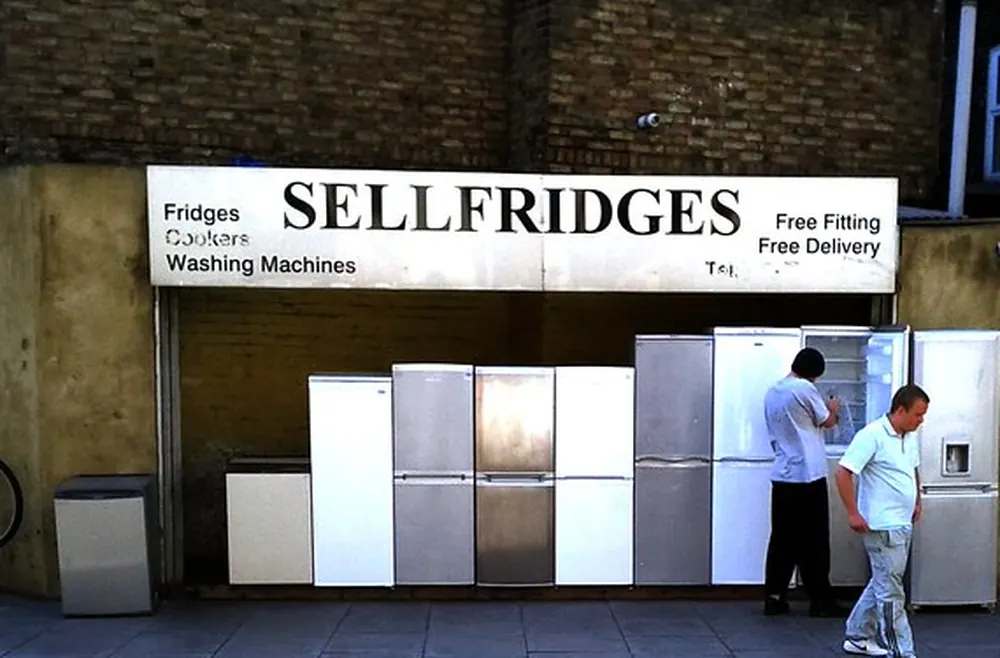
We do not sell used appliances. We fix them. That means we have no reason to talk you into or out of a used unit, and no inventory to move. What we can tell you is how to spot a good one, because we are the ones who get called out when a cheap buy quits a month later. A used fridge or washer can save you real money if you check it before cash changes hands. Here is how we would shop for one.
Test It With the Power On
Never buy an appliance you could not run. If the seller says it cannot be plugged in right now, walk. Anyone selling a machine that works keeps it plugged in for a serious buyer. Bring your phone flashlight and plan to spend 15 to 20 minutes.
- Run a full cycle from start to finish. "It powers on" and "it works" are two different things.
- Refrigerator or freezer: it should already be cold. A fridge should hold around 37 to 40°F and a freezer near 0°F. Listen to the compressor. A steady hum is fine. Loud knocking, or a unit that clicks on and off without ever getting cold, is a bad sign.
- Washer: run a short cycle and watch all four stages, fill, wash, drain, and spin. A grinding or roaring noise on the spin usually means worn drum bearings, one of the most expensive repairs going and a top reason washers get resold.
- Dryer: confirm the drum turns and the air gets genuinely hot, not just warm. Squealing or thumping points to worn rollers or a tired belt.
- Door seals: press a dollar bill in the closed fridge door. If it slides out easy, the gasket is shot. On a front-load washer, peel back the rubber boot and look for black mold that wipes right back.
- Body and smell: check for deep rust, dents that block the door, and cracked glass. Then open it up and smell for must, mildew, or burnt electrical. Bad odors rarely come out.
Find Out How Old It Really Is
The serial number tells you the build date, not the model number. People mix the two up all the time. The plate is usually inside a fridge on a side wall, inside the door frame on a washer or dryer, and around the door on an oven or range.
Each brand codes the date differently, so do not try to eyeball it. Plug the model and serial into a free appliance age finder online, or check the owner's manual.
- GE and Hotpoint: the first two letters of the serial give the month and year.
- Whirlpool, plus many KitchenAid and older Maytag units: the third character from the end is a letter that stands for the year.
- Frigidaire and Electrolux: the first digit is the year, and the digits after it give the week.
- LG: the first three characters of the serial give the year and month.
Once you know the age, compare it to how long that appliance is built to last. Most major units run 10 to 15 years. A 3-year-old dryer has most of its life ahead of it. A 12-year-old one does not, so pay accordingly or skip it.
Red Flags That Mean Walk Away
Some listings are not worth the drive. Any one of these is reason enough to pass.
- The model and serial plate is missing, scratched off, or painted over. That blocks any recall check and can point to salvage or stolen goods. This one is non-negotiable.
- A seller who will not power it on, or who says it "just needs one small part."
- Deep rust on the body or tub floor, a cracked cooktop, a frayed or scorched cord, or a damaged microwave door.
- Loud bearing noise on a washer spin, or a compressor that clicks on and off and will not cool.
- Anything 15 to 20 years old or older, or already past its expected life with no price to match. Most reputable used stock is under 10 years old.
- Cash only, no address, all sales final, and pressure to decide on the spot.
Before you drive out, run the model through the free federal recall database at cpsc.gov. It takes two minutes and can keep a known fire or shock hazard out of your home.
What a Fair Price Looks Like
Start from what the same model costs new today, then discount for age and wear. A used appliance in good shape should not run more than about 50 to 75% of new, and it should drop from there as it ages. Newer units hold the most value, and premium brands hold more than budget ones.
| Age of the unit | Fair price vs. new | Real-dollar example |
|---|---|---|
| 1-3 years, good condition | About 50-75% of new | A mid-range fridge that sells for $1,500 new is fair around $750 to $1,125 |
| 5-8 years | About 20-30% of new | An $800 washer is fair around $160 to $240 |
| 10+ years | Roughly $50 to $150, flat | Most units this old are worth little no matter what they cost new |
Do not forget the costs past the sticker. Delivery runs $25 to $200 around here, and hookup can add $50 to $175 for a washer or about $105 to $125 for a range. On a bargain unit, those can rival what you pay for the appliance itself. Haggling is normal too, especially for cash or a same-day pickup.
Questions to Ask a Private Seller
A few honest questions sort the good listings from the ones to skip. Ask them before you drive out, then again in person.
- Why are you selling it? Upgrading or moving is fine. "It's been acting up" means probe harder.
- How old is it, and what are the model and serial numbers? Ask for a photo of the plate so you can date it yourself.
- Has it ever been repaired? What broke, when, and was it a new factory part or a used one?
- Is it hooked up right now so I can run a full cycle before I pay?
- Any leaks, noises, error codes, or missing shelves, racks, or knobs?
- Is there a return window if it dies in the first week? Get even a short one in a text you can keep.
Where People Around Fort Wayne Actually Find Used Appliances
You have several options, and they trade price against safety. We do not push any one seller. Here is the straight rundown.
- Facebook Marketplace and Craigslist: the biggest local pool and the lowest prices, but almost always as-is with no warranty. Meet in person, run the unit powered on, and never pay before you watch it work.
- Habitat for Humanity ReStore: donated appliances at low prices, and the money goes toward local housing. Inventory comes and goes and testing is limited, so inspect closely.
- Independent used-appliance dealers and repair shops: you pay more than a private sale, but units are usually inspected and come with a short written warranty, often 6 weeks to 6 months on parts and labor. On a big-ticket item like a fridge, that safety net earns its keep.
- Scratch-and-dent outlets: these are new units with a cosmetic ding, sold at a discount and often with the full or partial factory warranty. If the dent faces a wall, nobody ever sees it.
- Estate and moving sales, thrift stores, and apartment-complex turnover are worth a look if you have time to hunt.
One last thing. Before you commit to a used unit, or right after you get it home, a quick diagnostic is cheap insurance. We charge about $125 to look a machine over, and we credit that toward any repair you approve. We cover Fort Wayne, New Haven, and Huntertown, Mon-Sat 7am to 7pm. If you are eyeing a garage fridge that has to fight our winters, or an older washer headed for a Waynedale or Old West End home on our hard water, call us at (260) 408-8218 and we will tell you straight whether it is worth the buy.
Frequently Asked Questions
How much does an appliance repair cost in Fort Wayne?
Most repairs land between $125 and $400 once you count parts and labor. We charge about $125 to diagnose, and that comes off the bill when you okay the fix. Cheap wear parts like a dryer belt or an oven igniter sit at the bottom of that range. A control board or a sealed-system job runs to the top.
How long do refrigerators, washers, dryers, and dishwashers usually last?
Figure about 13 years for a fridge, 10 to 11 for a top-load washer, 13 for a dryer, and 9 to 10 for a dishwasher. Those are averages across a lot of homes, not promises. The more electronics and moving parts a model has, the sooner it tends to quit, so loaded units run toward the low end.
Is it worth repairing a refrigerator that is more than 10 years old?
Usually yes, if the broken part is a common one and the fix stays under half the cost of a comparable new fridge. A refrigerator is built to last around 13 years, so a 10-year-old unit still has road left for a $125 to $400 repair like a thermostat or a door gasket. The exception is the compressor or sealed system. That repair is expensive, and once it goes another failure tends to follow, so replacement is the smart money there.
Are used appliances a good buy, or are they a gamble?
They can be, if you run one through a full cycle before you hand over cash and you date it off the serial plate, not the model number. For a unit one to three years old, 50 to 75 percent of the new price is fair. Once it is past five years, drop to 20 to 30 percent. Walk away from anything with a missing data plate, or a seller who will not plug it in.
Will a new refrigerator save me enough on energy to justify replacing an old one?
If it is more than 15 years old, often yes. An old fridge can cost about $95 a year more to run than a new ENERGY STAR model, because it pulls roughly 20 percent more electricity. That math works for fridges and freezers because they run around the clock. It barely moves the needle on dryers, ovens, or washers.
My garage freezer quit during a cold snap. Is that a repair or a bad unit?
Often it is neither. A lot of garage fridges and freezers stop cooling once the room drops below freezing. The thermostat reads the cold air, thinks the box is already cold, and shuts the compressor off. Check whether yours is rated for an unheated garage before you pay for a thing. Plenty of Fort Wayne garages hit that point in January. If it turns out to be a real failure, we cover Fort Wayne along with New Haven and Huntertown and can take a look.
What is the 50% rule for deciding whether to repair or replace?
Replace when the repair quote hits half the price of a comparable new unit. Repair when it comes in under that. Then check the age: if the appliance has also used up more than half its expected life, replacement usually wins. Built-ins and high-end units flip this, since the install and cabinetry make swapping them out far pricier than the fix.
Is it cheaper to repair or replace a washing machine?
Repair is usually cheaper when the washer is under about 10 years old and the problem is a drain pump, a lid lock, or a worn hose. Those land in the $125 to $400 range. Replacement makes more sense when a major part goes: the transmission, the bearings, or the drum spider arm. That job is costly, and the machine is probably near the end of its 10-year life anyway. A new washer runs $500 to $1,300 depending on features, top-load at the lower end, so measure any big quote against that.
Still Not Sure? Get a Straight Answer.
Tell us the appliance, its age, and what it's doing. We'll tell you honestly whether it's worth fixing, and the $125 diagnostic comes off your repair. Serving Fort Wayne, New Haven, and Huntertown.
Call (260) 408-8218